Story by Rawson Services Editor / December 2, 2025
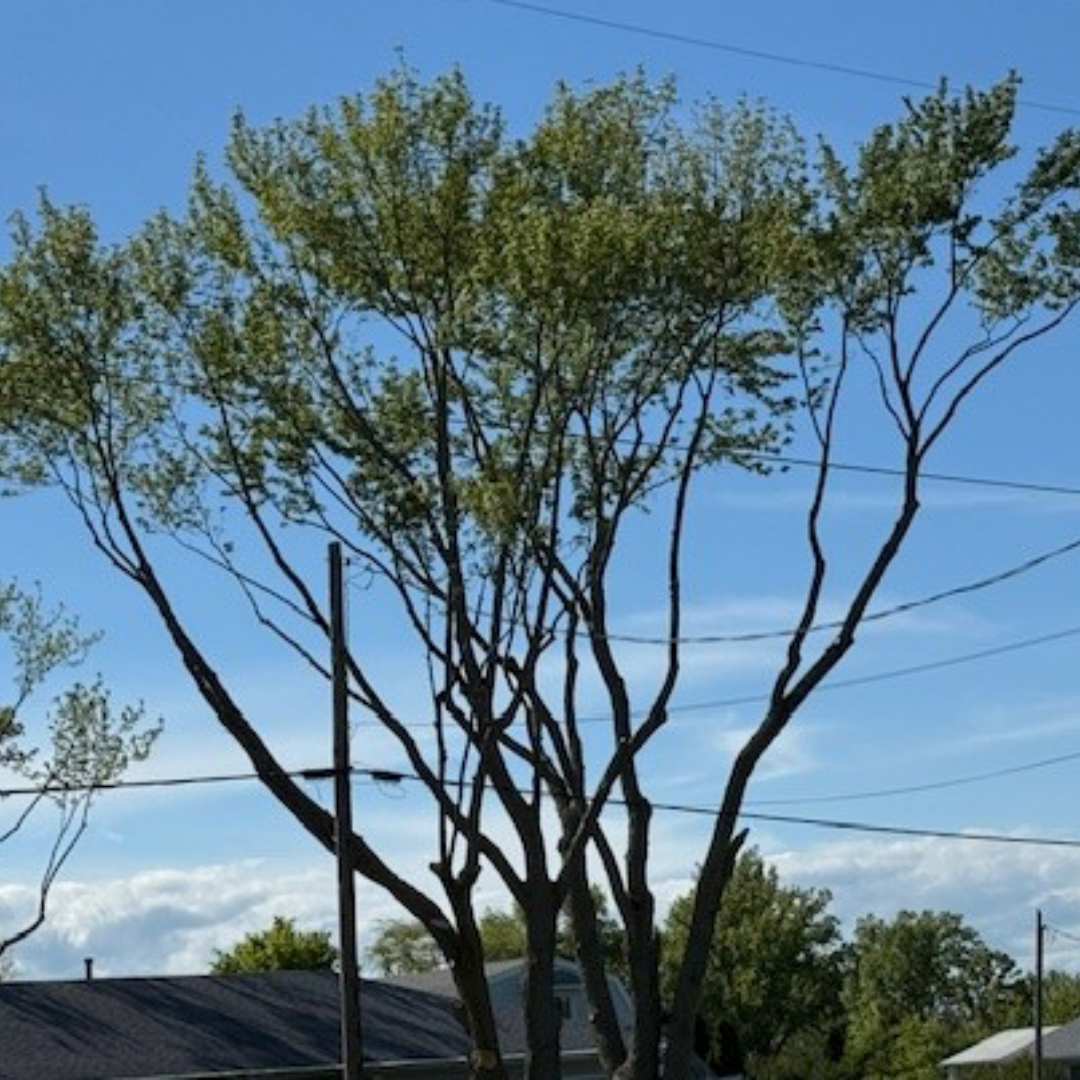
When it comes to tree trimming in Charleston, SC, one of the most harmful practices homeowners and inexperienced tree services encounter is lion tailing. Understanding proper pruning techniques versus damaging methods like lion tailing can mean the difference between a healthy, thriving tree and one that’s structurally compromised and vulnerable to storm damage.
Lion tailing is an improper pruning technique where all or most of the interior branches and foliage are removed from a limb, leaving only a tuft of leaves at the end. The result looks similar to a lion’s tail—hence the name. This poor pruning practice strips away the lateral branches along the main limb, creating an unbalanced and hazardous tree structure.
Many people mistakenly believe this technique reduces weight and wind resistance, but it actually creates the opposite effect, making trees more dangerous during storms and high winds.
Proper tree pruning follows specific arboricultural standards that promote tree health, structural integrity, and longevity. Here’s what correct pruning looks like:
For larger branches, certified arborists, like Rawson Services in Charleston, SC use the three-cut method to prevent bark tearing:
The branch collar is the swollen area where a branch connects to the trunk or parent branch. Proper cuts should be made just outside this collar without leaving stubs or cutting flush against the trunk. This allows the tree to naturally seal the wound and prevent disease entry.
Rather than removing all interior growth, proper thinning removes selected branches throughout the canopy. This maintains the tree’s natural shape while:
Arborists recommend never removing more than 25% of a tree’s canopy in a single pruning session. Over-pruning stresses trees and can lead to rapid, weak regrowth.
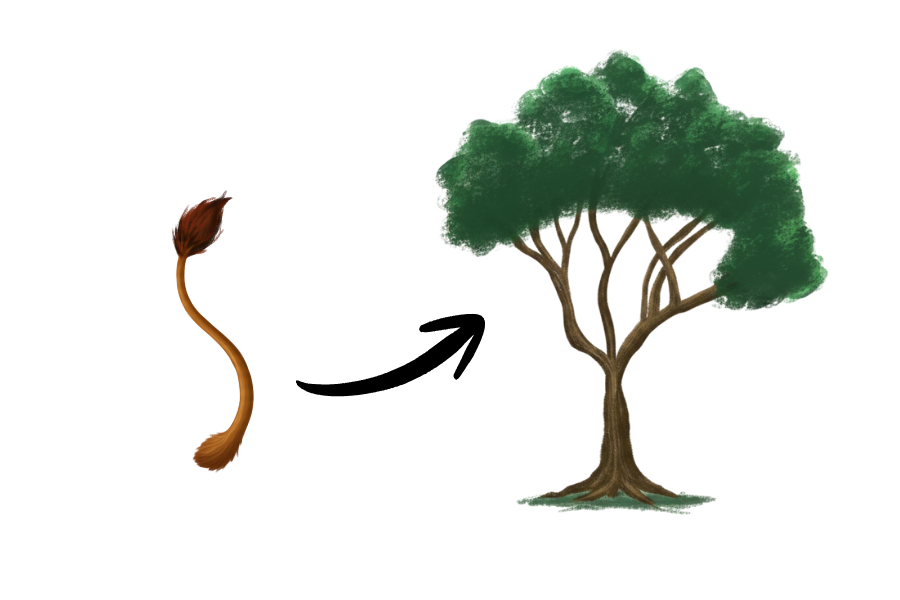
When done correctly by professionals, tree pruning provides numerous benefits for both the tree and property:
Proper pruning develops strong branch architecture by removing crossing branches, co-dominant leaders, and structurally weak limbs. This creates a stable framework that can withstand Charleston’s coastal storms and hurricane-force winds.
Selective pruning improves air circulation through the canopy, reducing humidity and fungal disease development. Removing dead, dying, or diseased branches prevents the spread of pathogens to healthy tissue.
Strategic pruning redirects the tree’s energy toward healthy branches and developing leaders. This promotes vigorous growth in desired areas while maintaining the tree’s natural form.
Removing hazardous branches over structures, driveways, and walkways reduces the risk of property damage and personal injury. Regular pruning catches potential problems before they become dangerous.
Well-pruned trees enhance curb appeal and property value. Professional trimming maintains the tree’s natural beauty while keeping it proportional to the landscape.
Proper pruning provides necessary clearance from buildings, power lines, and other structures while maintaining tree health—critical for urban tree care in Charleston neighborhoods.
Improper pruning techniques, especially lion tailing, create serious long-term problems for trees:
Lion tailing removes the lateral branches that help distribute weight and wind load along the limb. With all the foliage concentrated at the end, several problems occur:
The result? Lion-tailed trees are significantly more likely to lose major limbs during Charleston’s summer thunderstorms and tropical weather events.
Removing interior branches exposes bark that has been shaded for years to direct sunlight. This sudden exposure causes:
Trees respond to over-pruning and lion tailing by producing excessive water sprouts—fast-growing vertical shoots that emerge along branches and the trunk. These sprouts are:
Foliage produces the food trees need through photosynthesis. Lion tailing removes 50-70% of a tree’s food-producing capacity, leading to:
Often, lion tailing is combined with another harmful practice called topping (removing the top of the tree). This double-damage approach severely compromises tree health and creates hazardous conditions that persist for years.
Despite being universally condemned by certified arborists, lion tailing remains common for several reasons:
Many believe that removing interior branches reduces “wind sail” effect. However, the opposite is true—concentrated foliage at branch ends catches more wind and creates greater leverage, increasing breakage risk.
Untrained tree trimmers may lion tail branches near power lines, thinking it provides longer-lasting clearance. Proper crown reduction or selective pruning achieves safer, longer-lasting results.
Lion tailing is faster than selective pruning, allowing inexperienced services to complete jobs quickly. This short-term saving leads to expensive long-term problems.
Non-certified tree services may not understand proper pruning techniques or the long-term consequences of their methods.
The frequency of tree pruning depends on several factors:
Structural pruning every 1-2 years establishes strong architecture and corrects problems early when corrections are easier and less costly.
Most mature trees benefit from pruning every 3-5 years. Fast-growing species like Bradford pears or silver maples may need more frequent attention.
Different trees have different needs:
Storm-damaged trees should be evaluated and pruned promptly to remove hazards and prevent further decline.
When hiring a tree trimming company in Charleston, protect your investment by asking:
If a tree service suggests lion tailing, removing most of the interior branches, or topping your trees, continue your search for a qualified professional.
If you’re unsure whether your trees have been improperly pruned, look for these warning signs:
Trees showing these signs need corrective pruning by a certified arborist to restore proper structure over time.
Proper tree pruning is both an art and a science that requires training, experience, and understanding of tree biology. While lion tailing and other improper techniques may appear to achieve short-term goals, they create dangerous, costly long-term problems that compromise tree health and property safety.
Working with ISA certified arborists ensures your trees receive care that promotes longevity, structural integrity, and aesthetic beauty. In Charleston’s coastal environment where trees face unique stresses from salt spray, humidity, and severe weather, proper pruning techniques become even more critical for maintaining healthy, resilient landscapes.
When you invest in quality tree care, you’re not just maintaining your property’s appearance—you’re protecting valuable assets, ensuring safety, and preserving trees for future generations to enjoy.
Looking for professional tree pruning services in Charleston, SC? Contact Rawson Services , a certified arborist who follows ISA standards and best practices to ensure your trees receive the care they deserve.
The best tree service and the nicest people in Charleston.
Great service! Randy and the team called ahead to schedule, showed up right on time and did an amazing job. Thanks Rawson!
Task was to cut down and remove huge six foot diameter live oak that had split to the roots and half the tree had hit the ground. Randy and his crew finished most of the job on the first day and cleaned up the remainder the next day. Unbelievably professional and competent crew with top-notch equipment. I recommend his service without qualification.
The Rawson crew is professional, quick and clean. We had them remove four large diseased oaks that were threatening structures on our property. They arrived on time and got right to work on the intricate project.
I had a variety of tree pruning that needed to be done surrounding my home and next to my driveway. Randy and his crew were prompt, courteous and performed expert work around the property. They cleaned up nicely and the entire service was A+. Serious pros.
You should only use a tree company with current, valid general liability and workers compensation insurance.
Learn MoreRawson's crew is trained, uniformed, focused and courteous at all times. We use state-of-the-art equipment and focus on safety on every job.
Our Services
Locally owned & operated by certified arborist.
© 2026 Rawson Services, Inc. All rights reserved.