How to Care for Charleston Trees After Construction Damage

Story by Rawson Services Editor / February 14, 2026
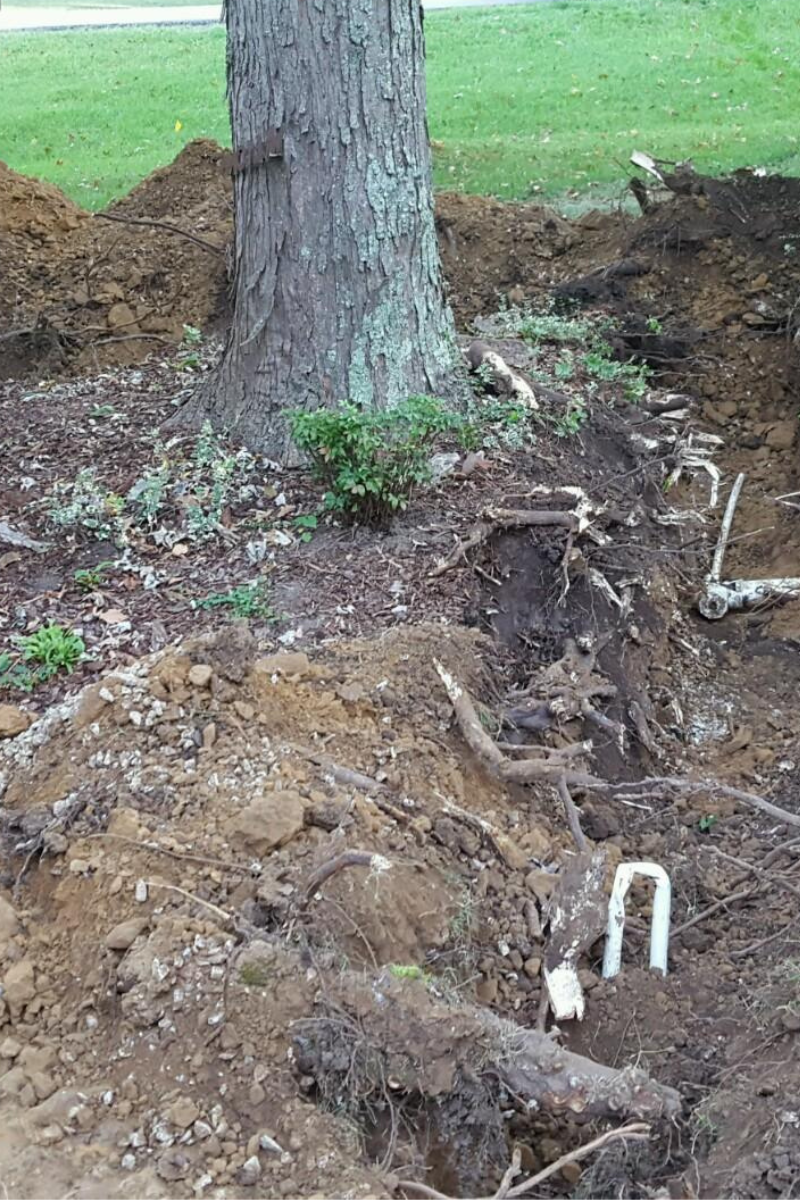
Charleston’s magnificent live oaks, towering cypresses, and graceful pines are more than beautiful—they’re irreplaceable parts of our Lowcountry heritage. From the iconic Angel Oak to the tree-lined streets of downtown, these trees provide shade, stabilize soil during storms, and add significant value to our properties. But construction and development can seriously damage even the healthiest trees.

The good news? With proper protection and care, your trees can survive construction. Here’s what Charleston homeowners and property managers need to know about protecting trees during construction and helping them recover afterward.

How Construction Damages Trees

Construction damage isn’t always obvious. Trees can look healthy immediately after a project but show decline symptoms 3-7 years later. Understanding the threats helps you prevent them.

The Most Common Threats

  • Soil Compaction – Heavy equipment and even foot traffic crush air pockets in soil, preventing oxygen and water from reaching roots. In Charleston’s clay-heavy soils, just one pass of a bulldozer can cause severe compaction that may kill a tree within five years.
  • Root Damage – Trenching for utilities, foundations, or drainage can sever major roots. Most tree roots live in the top 12-18 inches of soil and extend 2-3 times beyond the canopy—far from the trunk. Even distant excavation can damage critical roots.
  • Grade Changes – Adding fill dirt or cutting away soil changes oxygen levels and can kill roots. For sensitive trees like oaks, even 4 inches of additional soil can cause serious damage.
  • Trunk Wounds – Bark damage from equipment creates entry points for diseases and fungi like Armillaria and Ganoderma, which thrive in Charleston’s warm, humid climate.

Protecting Trees During Construction

Prevention is always more effective than treatment. Follow Charleston’s tree protection ordinances.

Essential Protection Steps

  • Establish Protection Zones: The critical root zone extends 1.25 feet from the trunk for each inch of trunk diameter. For a 30-inch live oak, protect a radius of at least 37.5 feet.
  • Install Sturdy Fencing: Erect highly visible fencing at the drip line with clear “No Entry” signage before construction begins.
  • Prevent Compaction: Where traffic through root zones is unavoidable, spread 6-12 inches of wood chip mulch over geotextile fabric to distribute weight.
  • Control Traffic: Designate specific equipment routes and restrict material storage, staging, and parking to areas outside protection zones.
  • Tunnel Under Roots: When installing utilities, tunnel beneath root systems rather than trenching through them.

The Truth About Fertilizing After Construction

Here’s what most people get wrong: fertilizing immediately after construction can actually harm damaged trees.

Wait 1-2 Years Before Fertilizing

During the initial recovery period, trees must focus on reestablishing their root systems. Premature fertilization causes three problems:

  • Salt Stress: Quick-release fertilizers contain salts that draw water out of damaged roots and into the soil, worsening drought stress.
  • Imbalanced Growth: Excess nitrogen stimulates top growth at the expense of root development. Damaged trees need roots, not leaves.
  • Wasted Effort: Trees with impaired roots can’t effectively absorb applied fertilizers anyway.

When to Fertilize (After Recovery)

After 1-2 years, base fertilization on actual nutritional needs:

  • Test Your Soil: Charleston’s coastal soils vary widely. Soil tests reveal which nutrients are actually deficient.
  • Use Slow-Release Products: These provide nutrients gradually, reducing salt stress.
  • Address Deficiencies First: If soil tests show deficiencies in phosphorus, potassium, or micronutrients, address these before adding nitrogen.

What Your Trees Really Need After Construction

1. Water (Most Critical)

Proper irrigation is the single most important thing you can do. Charleston’s hot summers stress trees with compromised roots.

  • Apply 1 inch of water per week during dry periods
  • Water deeply over the entire root zone, not just near the trunk
  • Use soaker hoses or drip irrigation for slow, deep watering

2. Mulch

Apply 2-4 inches of organic mulch (pine straw or wood chips) over the root zone. Mulch moderates soil temperature, retains moisture, and prevents future compaction. Keep it away from the trunk.

3. Soil Aeration

For compacted soil, aeration treatments help restore oxygen flow to roots:

  • Vertical Mulching: Drill 2-4 inch holes 12-18 inches deep throughout the root zone, backfilled with compost
  • Air Spade Treatment: Professional arborists can fracture compacted soil without damaging roots—ideal for valuable live oaks

4. Careful Pruning

  • Remove dead, diseased, or hazardous branches
  • Don’t heavily thin the canopy—trees need maximum leaf cover to support root regrowth
  • Avoid pruning live oaks in May and June when oak wilt vectors are active

5. Monitor for Problems

Inspect trees annually for 3-5 years. Stressed trees are vulnerable to pests, diseases, and wood-rotting fungi common in Charleston’s humid climate. Early detection allows timely treatment.

Why This Matters for Charleston

Charleston’s trees are essential to our community. They:

  • Provide critical shade in our hot climate, reducing cooling costs
  • Stabilize soil and reduce flooding—crucial as storms intensify
  • Define the character of our historic neighborhoods
  • Add 10-20% to property values

Mature live oaks can live for centuries. The trees we protect today will shade our great-grandchildren and define Charleston’s landscape for generations to come.

When to Call a Professional

Consider working with an ISA-certified arborist for:

  • Pre-construction planning and tree protection plans
  • Valuable or protected trees like large live oaks
  • Signs of significant decline or pest problems
  • Specialized treatments like air spade aeration

Key Takeaways

  • Prevention is more effective than treatment—protect trees before construction starts
  • Wait 1-2 years before fertilizing; base it on soil test results when you do
  • Proper watering is your most important intervention
  • Mulch, aerate compacted soil, and monitor for 3-5 years
  • Tree damage may not appear for years—long-term care is essential

Protect Your Charleston Trees with Rawson Services

Planning a construction project in the Charleston area? At Rawson Services, we understand that protecting your trees means protecting your property’s value and our Lowcountry heritage. Our team can develop customized tree protection and care plans for your project.

Visit us at www.rawsonservices.com or call us today to learn more about our tree protection and landscaping services.


Looking for professional tree services in Charleston, SC? Contact Rawson Services, a certified arborist who follows ISA standards and best practices to ensure your trees receive the care they deserve.


The best tree service and the nicest people in Charleston.

— Wally Corbett – Google Review

Great service! Randy and the team called ahead to schedule, showed up right on time and did an amazing job. Thanks Rawson!

— Stewart Fife – Google Review

Task was to cut down and remove huge six foot diameter live oak that had split to the roots and half the tree had hit the ground. Randy and his crew finished most of the job on the first day and cleaned up the remainder the next day. Unbelievably professional and competent crew with top-notch equipment. I recommend his service without qualification.

— Bob Wray – Google Review

The Rawson crew is professional, quick and clean. We had them remove four large diseased oaks that were threatening structures on our property. They arrived on time and got right to work on the intricate project.

— Glenda Patron La Rue – Google Review

I had a variety of tree pruning that needed to be done surrounding my home and next to my driveway. Randy and his crew were prompt, courteous and performed expert work around the property. They cleaned up nicely and the entire service was A+. Serious pros.

— James E.

Premium Quality Badge

LICENSED & FULLY INSURED

Locally owned & operated by certified arborist.